How to Reduce Inventory Loss in Cannabis Retail
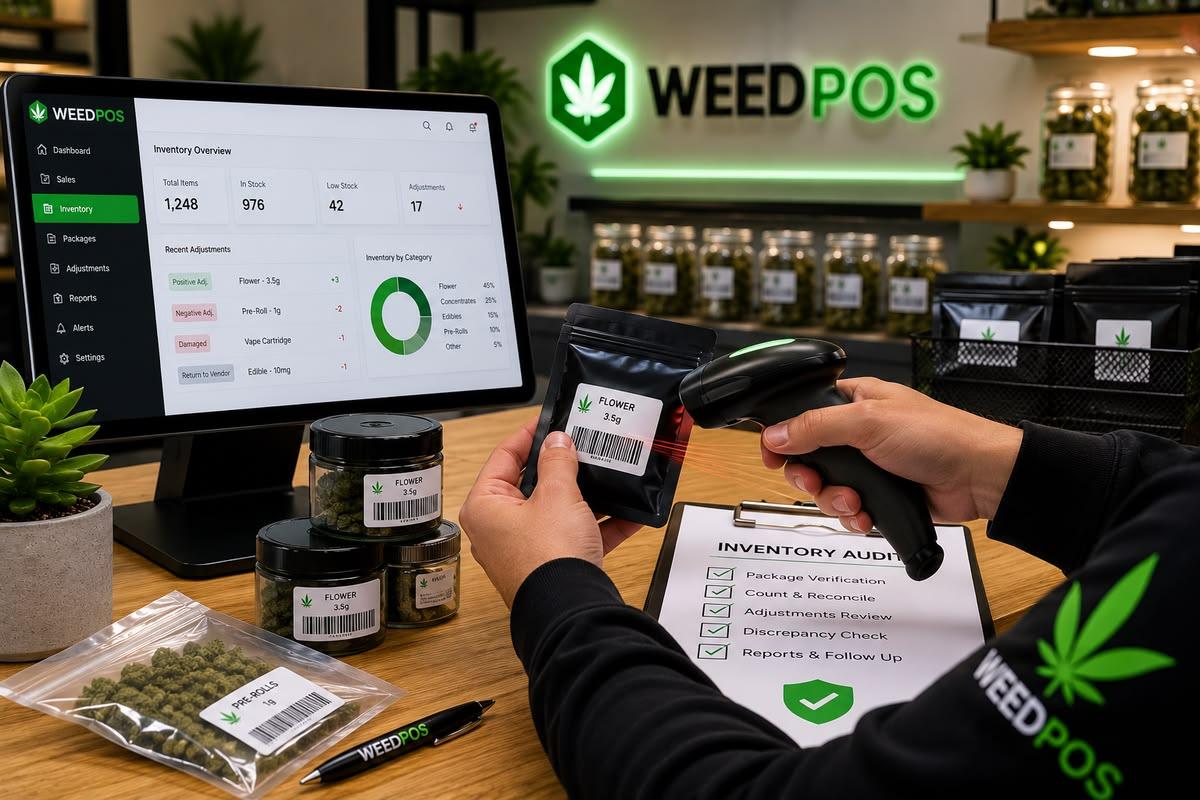
Inventory loss in cannabis retail is often a sign of broken processes rather than bad people. The right combination of package-level tracking, reason-coded adjustments, cash controls, and regular audits can dramatically reduce shrink and restore confidence in your inventory data.
This article walks through practical steps dispensaries can take to:
- identify the most common causes of loss,
- implement package-level tracking and documented adjustments,
- tighten cash and access workflows,
- run regular audits and discrepancy alerts,
- tie inventory practices to METRC compliance.
Identify the common causes of shrink
Cannabis retail shrink usually comes from process gaps, not theft.
The most common causes are:
- unrecorded or improperly recorded adjustments,
- poor package tag control during receiving and transfers,
- weak reconciliation between POS and inventory records,
- inconsistent cash handling and register overrides,
- lack of timely discrepancy investigation.
When inventory records drift, the business loses visibility first and compliance risk second. The first step is to accept that loss is usually a process issue, then tighten the workflows that create it.
Implement package-level tracking and reason-coded adjustments
A package-based inventory system is the strongest defense against shrink.
Best practices include:
- track every item by package tag, not just SKU or product name,
- scan package tags on receipt, transfer, split, and sale,
- use structured reason codes for every inventory adjustment,
- document splits, combines, returns, and destruction with clear justification,
- attach lab certificates and package metadata to the record.
Reason codes matter because they turn adjustments into auditable actions. A manager should be able to see why an adjustment occurred, who made it, and whether it followed policy.
Tighten cash workflows and access controls
Inventory loss often shows up alongside weak cash controls.
The most reliable controls are:
- restrict register access by user and role,
- require manager approval for overrides and voids,
- log all cash drops, payouts, and register transfers,
- reconcile cash at the end of every shift,
- prevent unapproved discounts or price changes.
At a minimum, the POS should make it easy to track who handled each transaction and why a change was made. That accountability reduces both shrink and the guesswork that follows.
Run regular audits and discrepancy alerts
Don’t wait for a quarterly audit. Frequent checks are what prevent loss from becoming a bigger problem.
Adopt these routines:
- daily or shift-level discrepancy reviews for inventory and cash,
- cycle counts on high-risk packages and categories,
- automated alerts for negative inventory or out-of-balance packages,
- immediate investigation of any unexpected adjustment.
The faster you identify a discrepancy, the easier it is to resolve it correctly. Regular audits also help your team develop discipline and catch training issues early.
Keep inventory and METRC aligned
Good inventory practices should work with your state reporting system, not against it.
Choose tools that:
- sync package reception and movement to METRC,
- record adjustments with the proper state reason codes,
- highlight mismatches between POS inventory and METRC tags,
- generate audit-ready reports for both your team and inspectors.
When your POS and METRC records are aligned, you reduce the risk of surprises during inspections and make reconciliation a routine part of operations.
Build a loss prevention culture
The best technology in the world cannot replace a team that cares about inventory accuracy.
Support your system with training and policy by:
- making accountability part of every shift,
- teaching staff how to handle packages, tag scans, and adjustments,
- reviewing exceptions and trends together,
- rewarding accuracy and disciplined reconciliation.
A strong loss prevention culture makes inventory controls practical instead of punitive.
Practical next steps for your dispensary
If shrink is a problem, start with these actions:
- verify package tags and inventory on every receiving shipment,
- require reason codes for every adjustment,
- tighten register access and approval workflows,
- run daily discrepancy checks,
- connect inventory controls to METRC reporting.
Reducing inventory loss is a process, not a one-time fix. With consistent package tracking, documented adjustments, and regular audits, dispensaries can quickly improve accuracy and reduce the risk of untracked shrink.
For help setting up a shrink-resistant inventory workflow, contact our team. We can review your current process and recommend inventory and compliance controls that keep your cannabis retail operation tighter and more profitable.
Frequently asked questions
What causes most inventory loss?
Unrecorded adjustments, poor package control, and weak reconciliation procedures are common causes.
How quickly can loss be reduced?
Implementing package tracking and daily reconciliation can show improvements within weeks.
Book a Weed POS Demo
See how Weed POS handles OMMA compliance, inventory, and checkout for Oklahoma dispensaries, all in one operating system.
Related articles
OperationsJuly 15, 2026
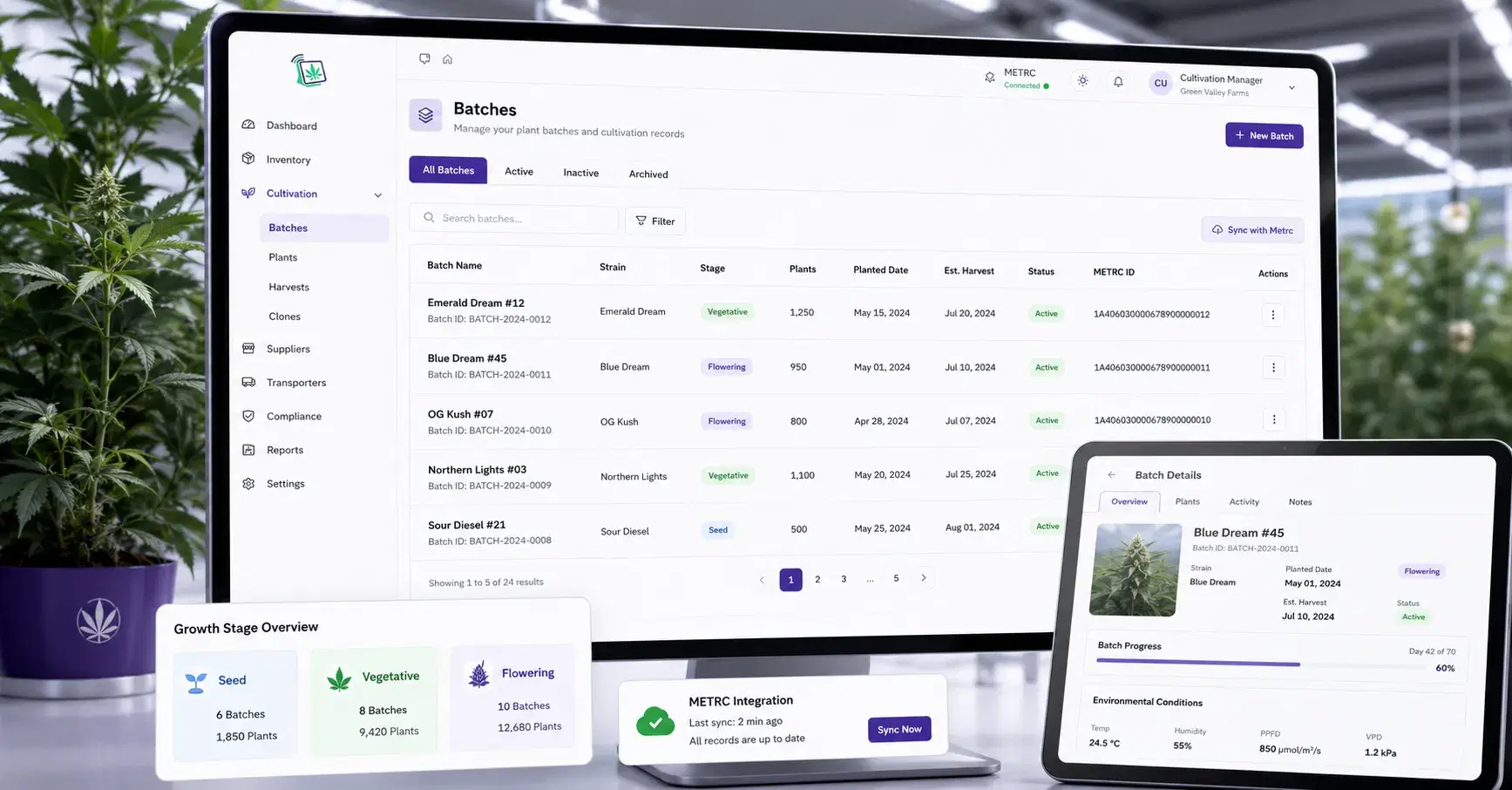
Batch Management for Cannabis Growers: Simplify Every Growth Stage with Weed POS
Track seed and clone batches, growth phases, plant counts, and METRC sync in one Weed POS Batch Management dashboard built for cannabis cultivators.
OperationsJune 24, 2026
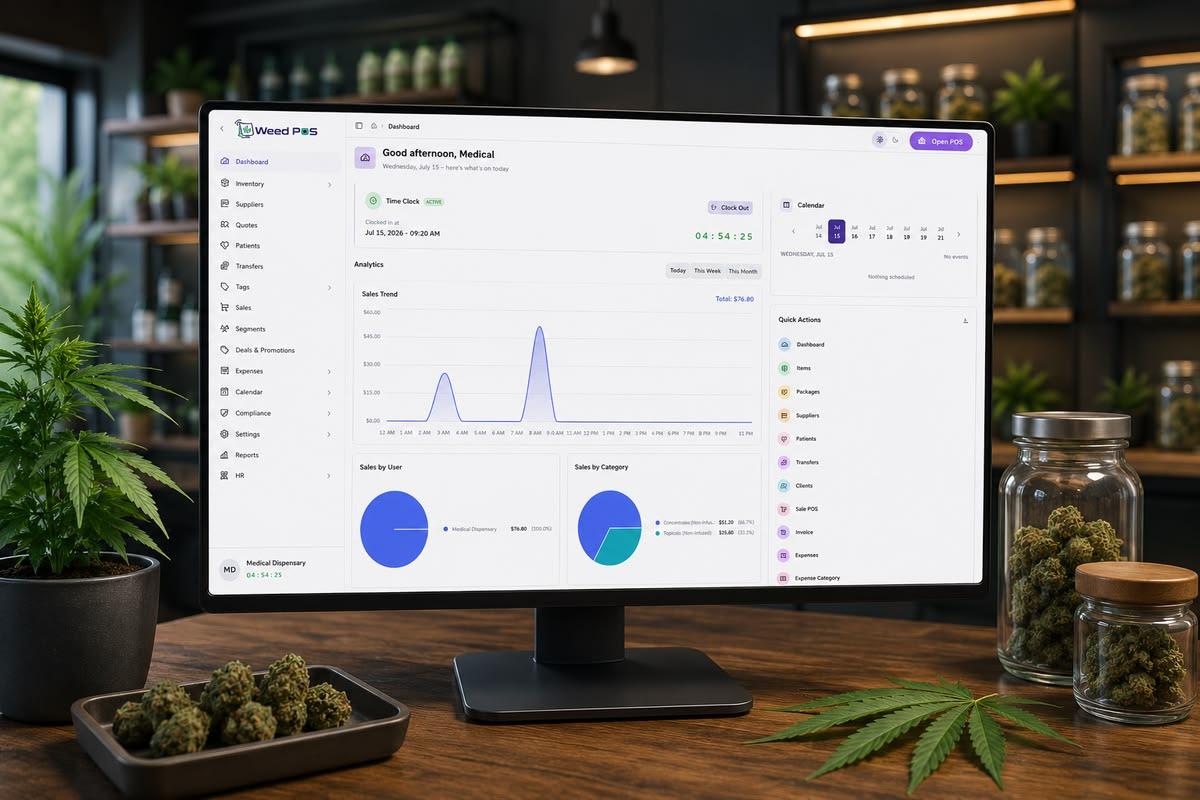
Common Challenges Facing Oklahoma Cannabis Retailers
Oklahoma cannabis retailers face METRC pressure, patient compliance, inventory shrink, and fierce competition — here are the operational challenges and how the right POS addresses them.
OperationsJune 17, 2026
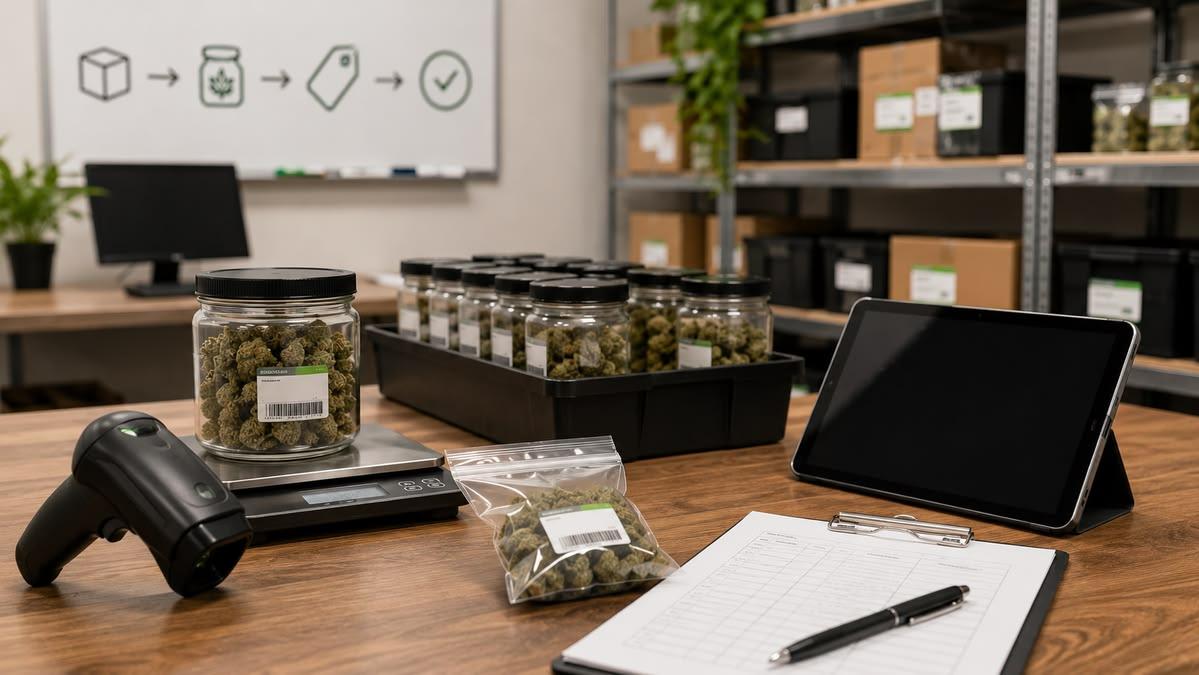
Cannabis Inventory Management Best Practices
Operational best practices for managing cannabis inventory, from intake to sale.